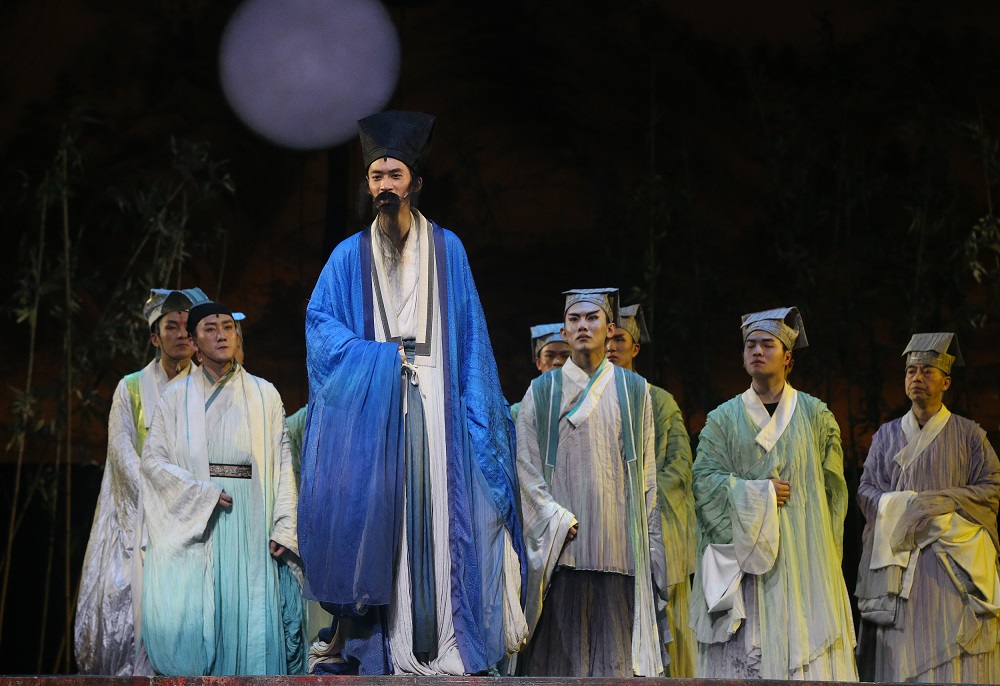
Wang Yangming
Introduction
Wang Yangming (1472-1529) was a significant figure in Chinese philosophy, known for his contributions to the Neo-Confucian tradition during the Ming Dynasty (1368-1644). His work in developing the "Philosophy of Mind" has had lasting impacts on Chinese thought and beyond. Born in Zhejiang province, Wang's intellectual journey and philosophical contributions have been celebrated across China, with his doctrines being pivotal in Confucian and wider philosophical discussions.
Early Life and Background
Wang Yangming, originally named Wang Shouren, was born in 1472 in Yuyao, Zhejiang province. From an early age, he demonstrated a profound interest in philosophical inquiries and was deeply influenced by Confucian texts. His early education was deeply rooted in the traditional Chinese classics, which laid the foundation for his later philosophical endeavors.
Philosophy of Mind
Wang Yangming's most famous philosophical contribution is his "Philosophy of Mind," which posits that the mind is the ultimate source of reality and truth. This philosophy emphasizes understanding the world from within the mind, rather than through external observation. Wang believed in the innate goodness of human nature and posited that moral knowledge is not acquired but is inherently known.
Unity of Knowing and Acting
Central to Wang Yangming's philosophy is the doctrine of the "unity of knowing and acting." This principle asserts that true knowledge is inherently linked to action; one cannot claim to know something without acting upon it. This idea challenged the traditional Confucian dichotomy between theory and practice and emphasized the importance of applying moral knowledge in everyday life.
Exile and Enlightenment
Wang's philosophical insights were profoundly shaped during his exile to Longchang, Xiuwen county, in Guizhou province. This period of exile, resulting from political disagreements, provided Wang with the solitude to reflect deeply on his philosophical ideas. It was during this time that he developed key components of his doctrines, particularly the notion that true understanding comes from self-awareness and introspection.
Influence and Legacy
Wang Yangming's ideas have had widespread influence not only in China but also across East Asia. His teachings have been integrated into various cultural and educational practices and continue to be studied and revered. Wang's influence can be seen in the numerous academic and cultural events dedicated to exploring his philosophy, such as the Conference on Wang Yangming Mind Philosophy.
Cultural Impact and Modern Applications
In recent years, Wang Yangming's philosophy has been revitalized through cultural and academic initiatives. Cities like Shaoxing and Yuyao have invested in cultural projects and facilities to promote Wang's teachings to the modern audience. These efforts include hosting conferences, launching multimedia products, and restoring historical sites associated with Wang's life.
The promotion of Yangming culture has extended beyond traditional means, utilizing digital technology and modern media to reach younger audiences. Initiatives such as digital literature museums, cultural tourism routes in Guizhou, and educational programs in universities highlight the continued relevance and adaptability of Wang's teachings.
Commemoration and Global Influence
The 550th anniversary of Wang Yangming's birth saw a series of global events commemorating his contributions to philosophy. These events highlighted Wang's philosophy as a bridge connecting traditional Chinese thought with contemporary global issues. His ideas on morality, governance, and social harmony continue to resonate with modern audiences seeking ethical guidance.








